Dream City Dispatch: Community Buildings, Designed by GIANT Kids (and Their Families) at Babcock Public Library in Connecticut

What type of buildings would kids design, if you challenge them to “Engineer the COOLEST Building”, for their community?
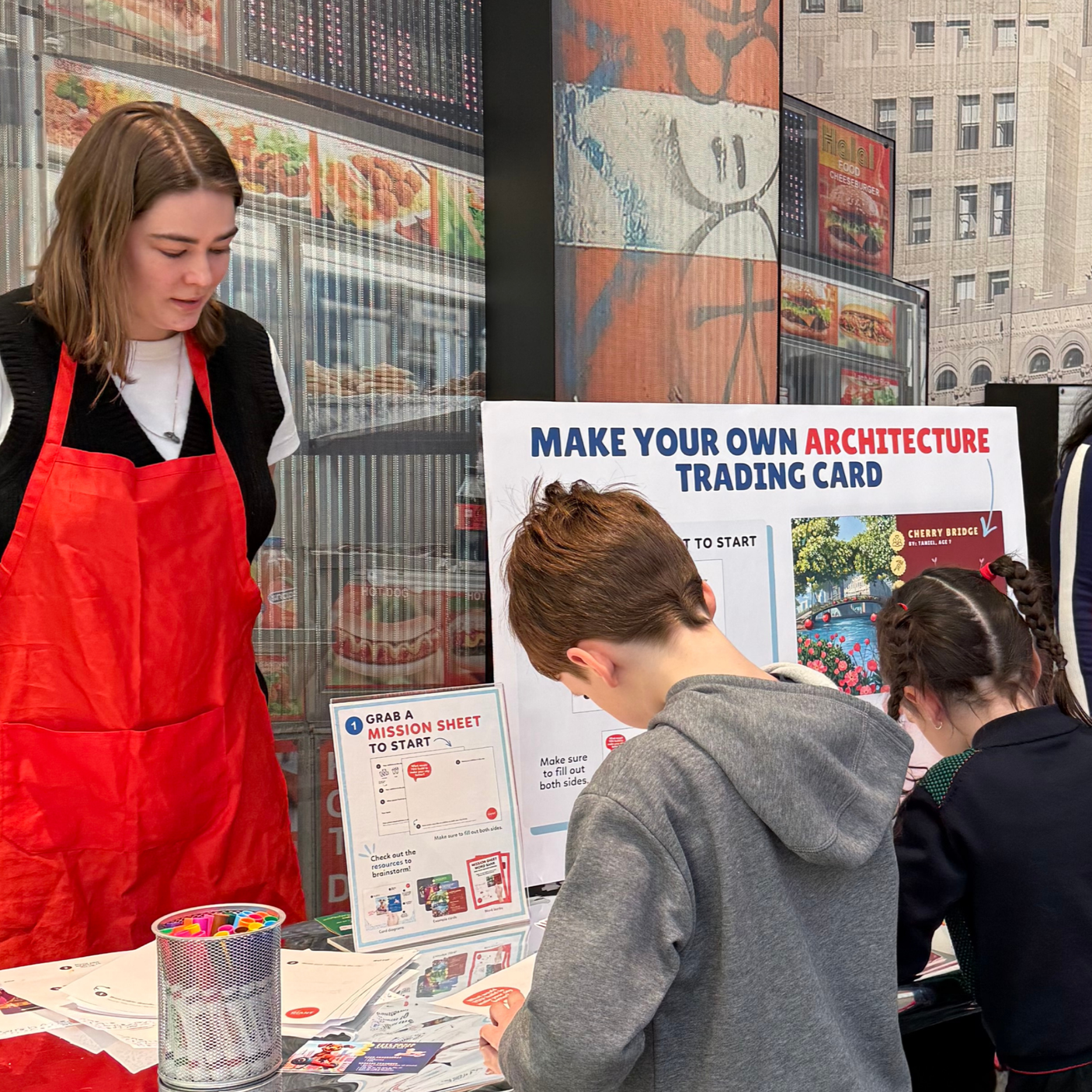
At Babcock Public Library in Connecticut, we set up a GIANT Remix Trading Card–Making Station, inviting kids and their families to sketch and/or write a description of a building they would like to design for their community, specify who the building is for, and highlight its features.
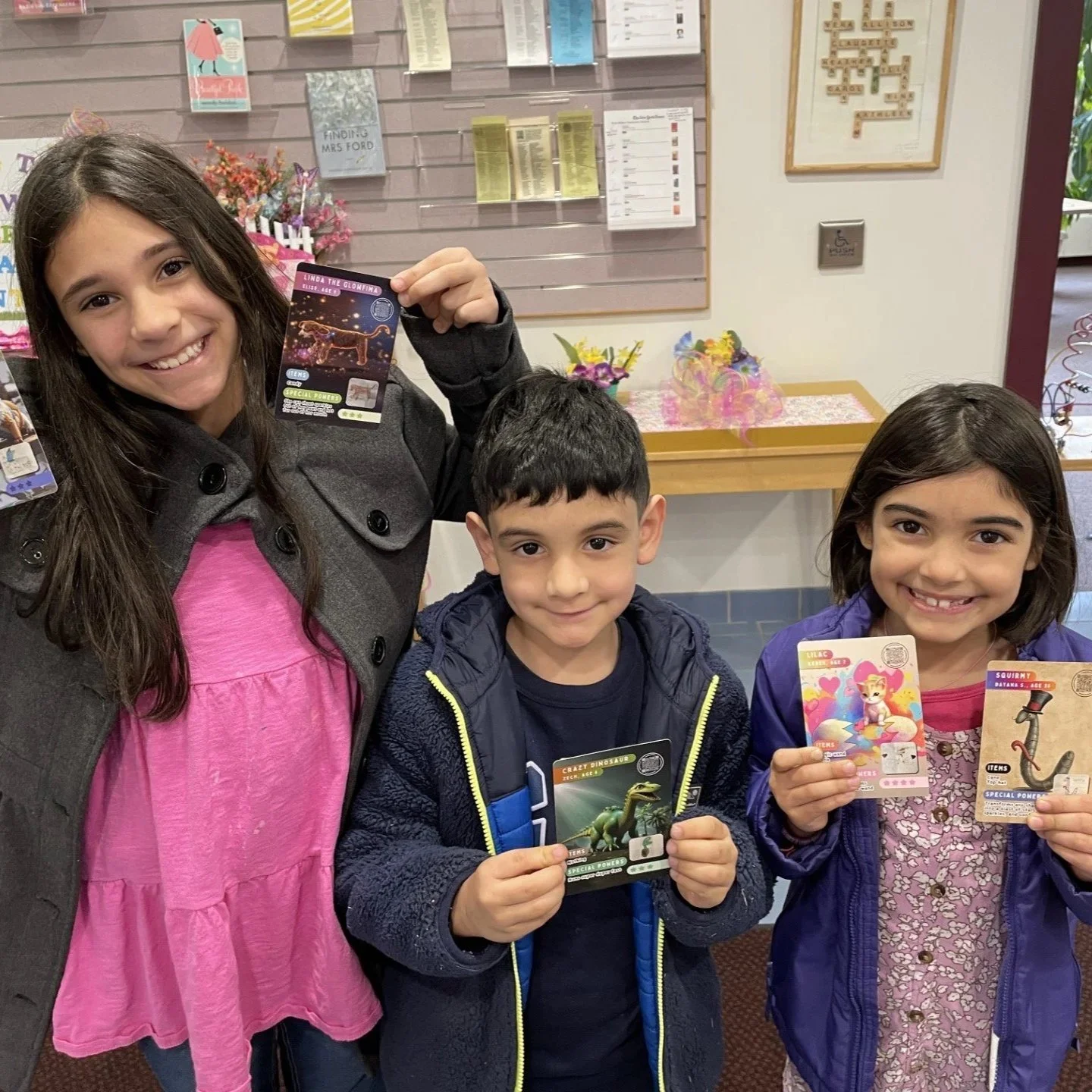
More than 15 kids and their families stepped up to the challenge and dreamed up a whole neighborhood of imaginative buildings: places to play, care for animals, eat cupcakes, race cars, fix robots, and even host raccoons! Their ideas became a published deck of trading cards + a Dream City poster, so every building can live beyond the moment it was invented.
This is what we mean when we say kids are changemakers: they design the world they want to live in.
A city built from kid’s perspective
If you flip through the Neighborhood Architects cards, you’ll notice something right away:
Kids don’t design “a building.” Kids design a reason to visit.
They start with who it’s for (friends, families, animals, neighbors, presidents, robots…), and then they creatively design features that make the place unforgettable.
This isn’t an accident - when creating their trading cards, kids were asked to share their ideas by responding to a set of questions on a Mission Sheet designed by GIANT educators. To guide them think about the community they are designing for, we asked them who their building is for and what their building’s special features were. Interestingly, every kid connected these two questions: they named who their community building was for and designed features that would give their community members a reason to visit.
Here are some patterns we noticed in what the community designed:
1) Buildings that are also characters
Some participants designed buildings with personalities that are friendly, safe, and joyful for community members to visit:
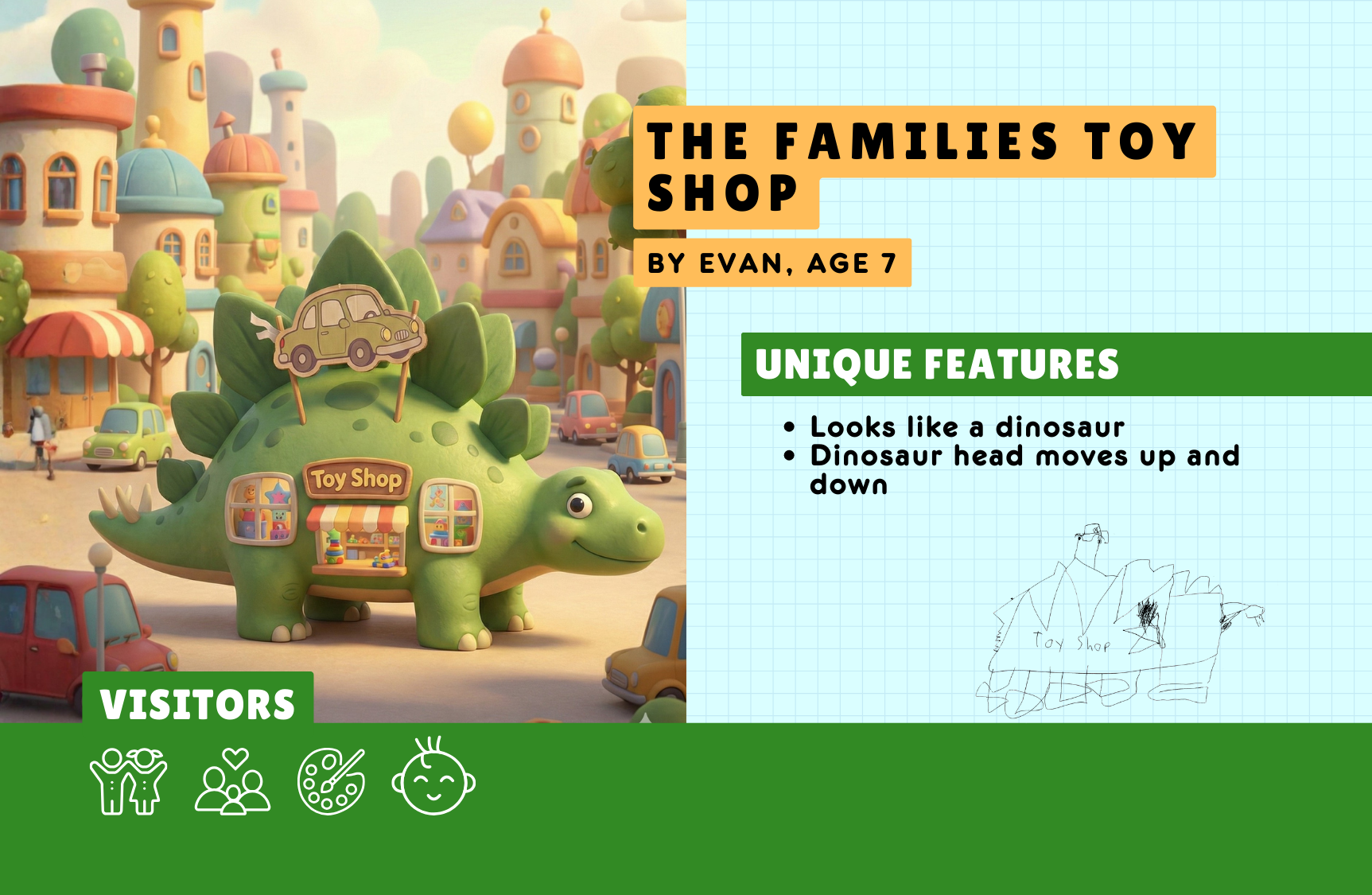
The Families Toy Shop is a toy store that looks like a dinosaur… and the dinosaur head moves up and down. This design signals playfulness and a welcoming place for kids, families, babies, and artists to visit.
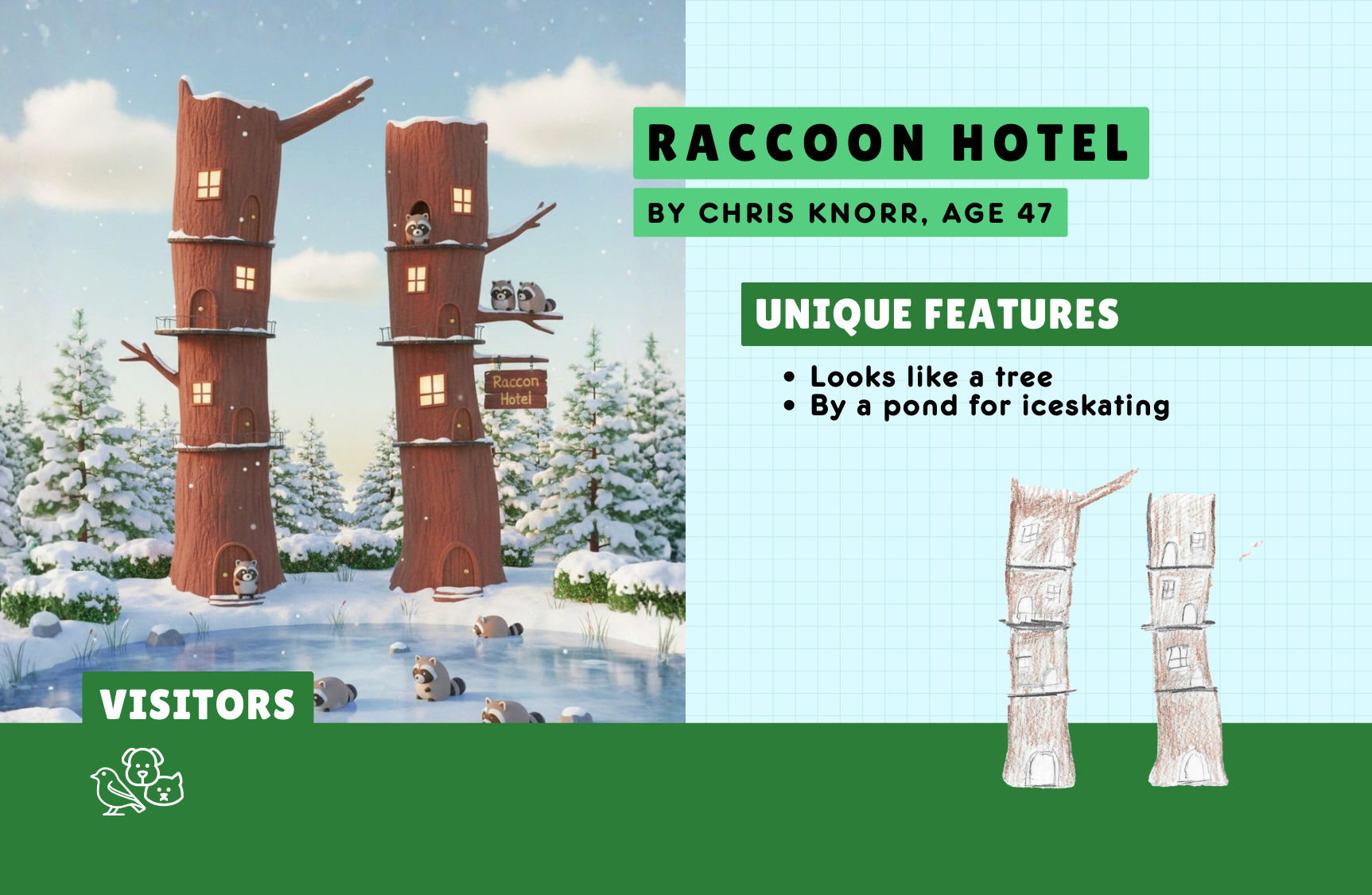
Raccoon Hotel resembles a tree, an inviting form that suggests comfort and a sense of home for raccoons. Nearby, the designer added an ice-skating pond, showing that play and recreation are important reasons to visit the hotel.
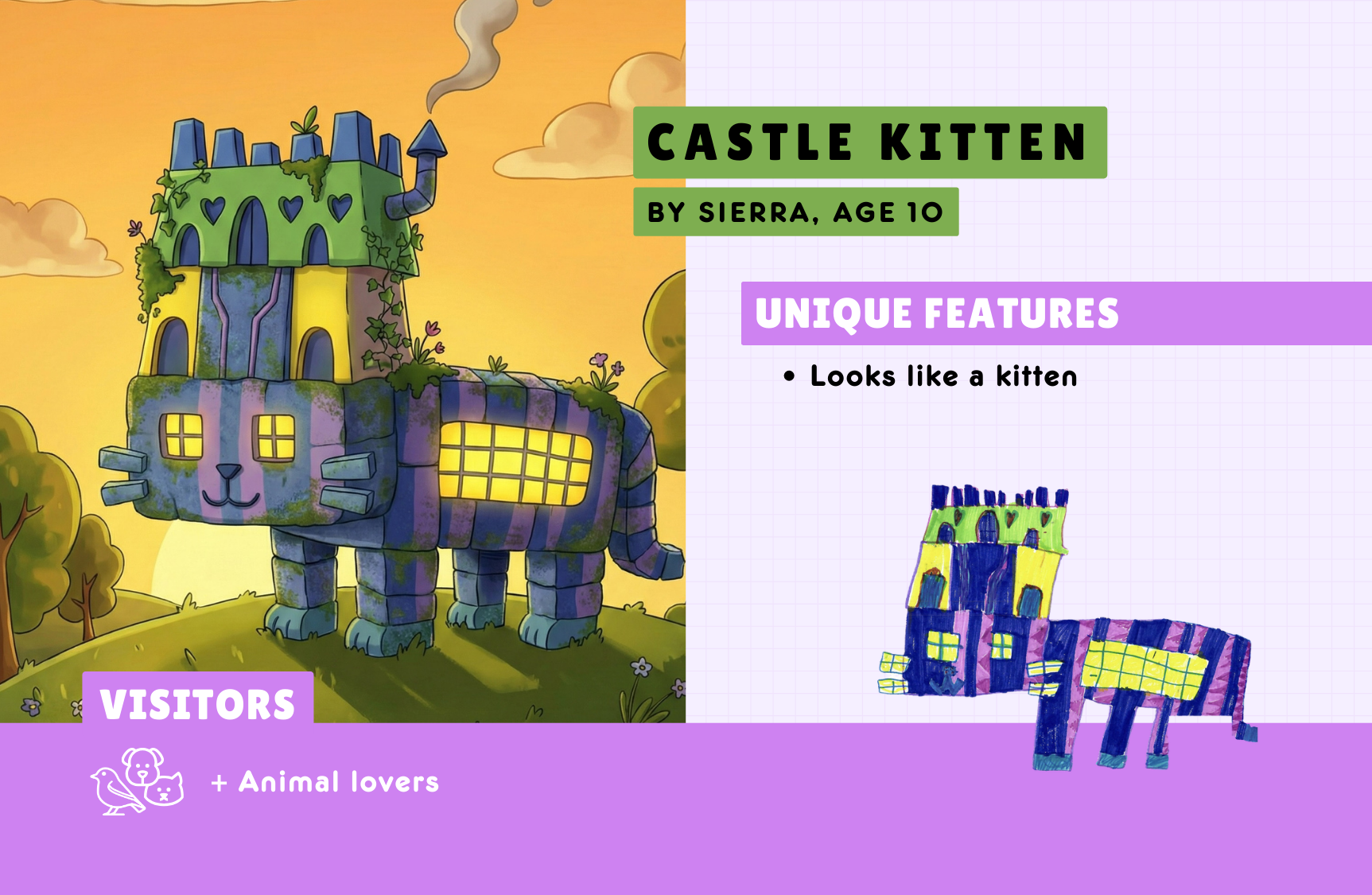
Castle Kitten is a castle that looks like a smiling kitten - designed for animals and animal lovers. The way it looks signals safety to all animals, and a place for every animal lover wanting to spend time in.
Dream City is filled with characters that spark joy throughout the community, because joy is a real civic need.
2) Places that take care of living things
A lot of these “community buildings” are, at their core, about care: for animals, for neighbors, for belonging.
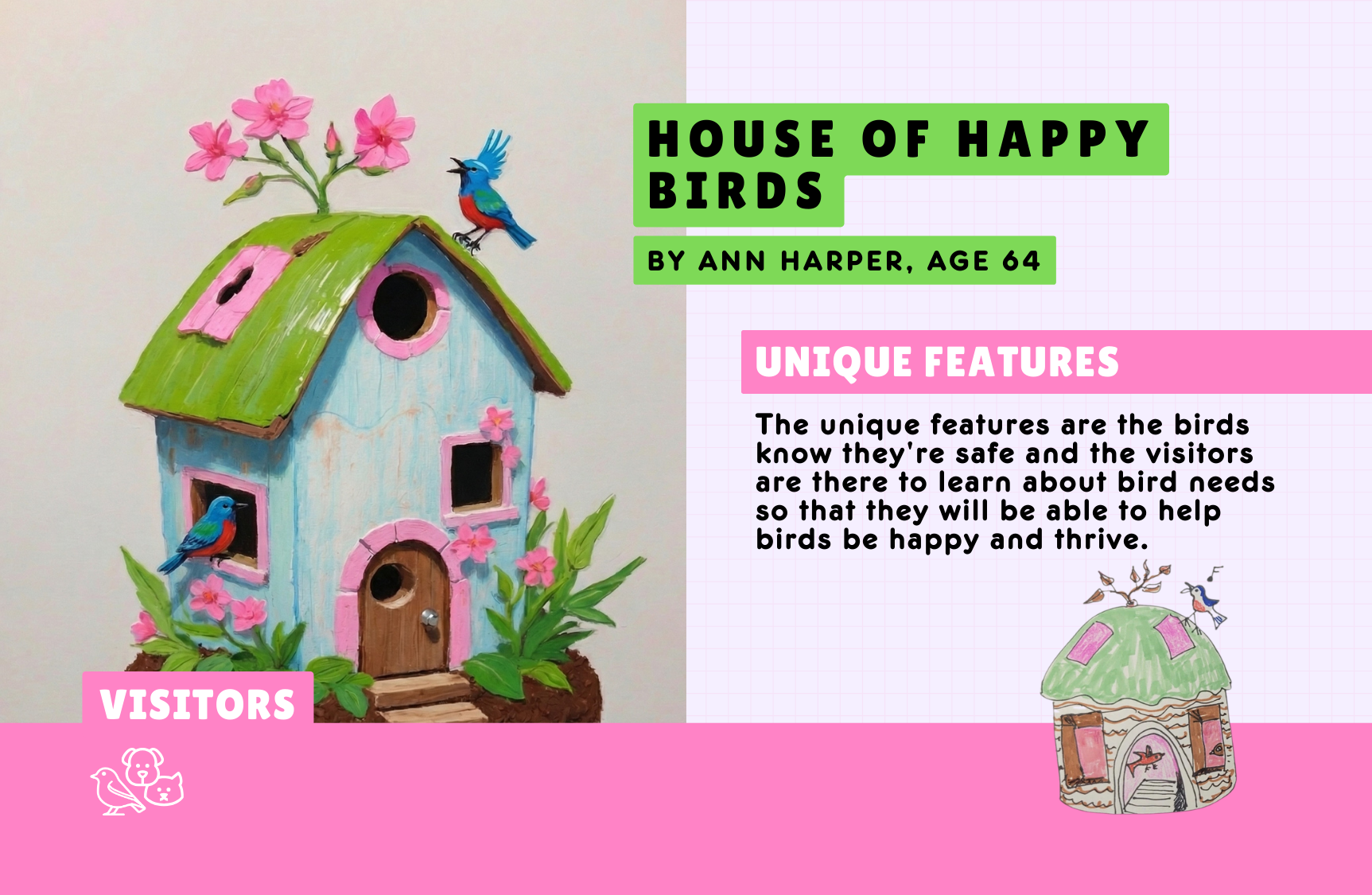
House of Happy Birds includes a bird nest on the roof because birds deserve thoughtful design, too.
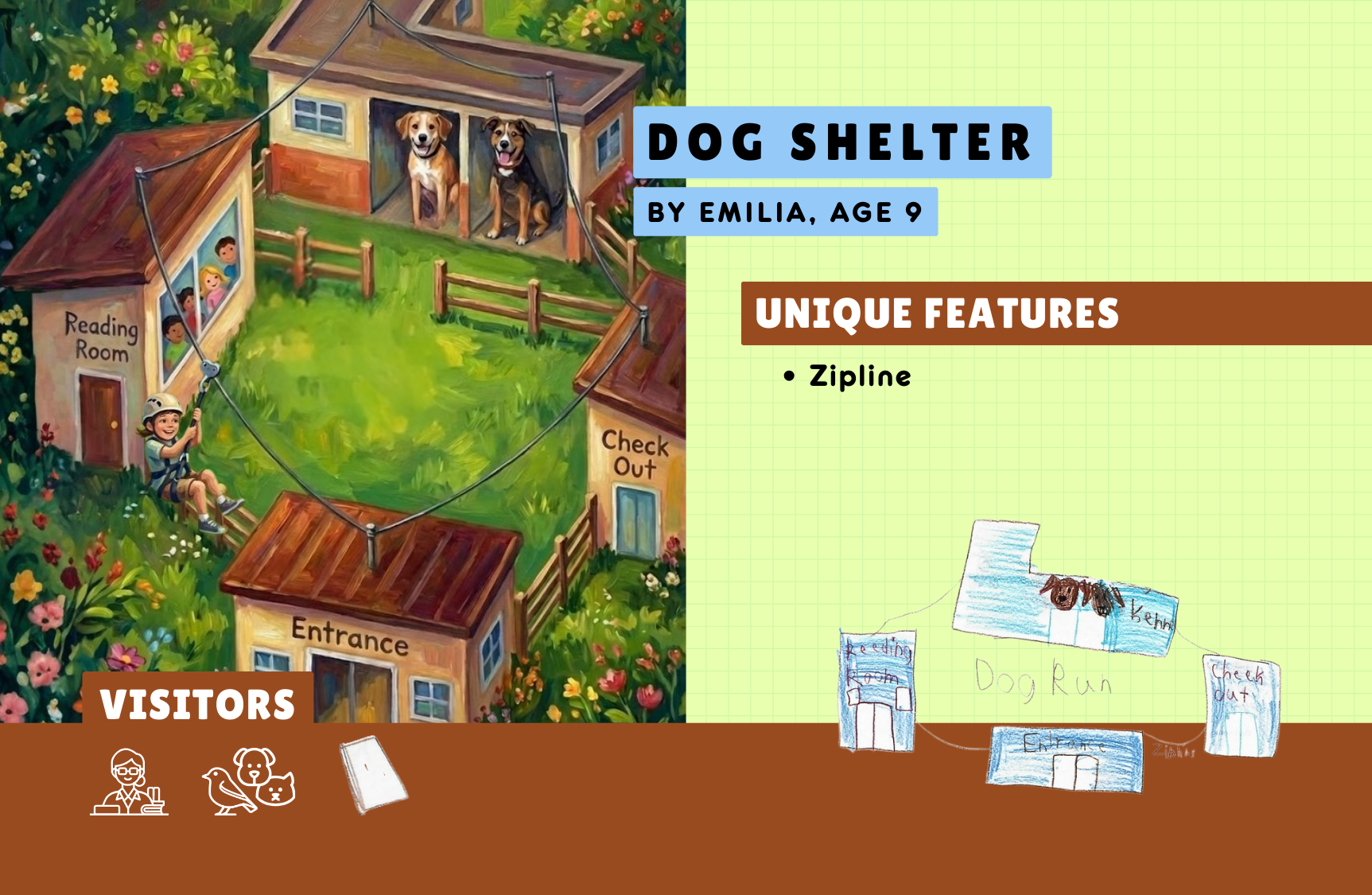
Dog Shelter includes a zipline for all the puppies who love to play.
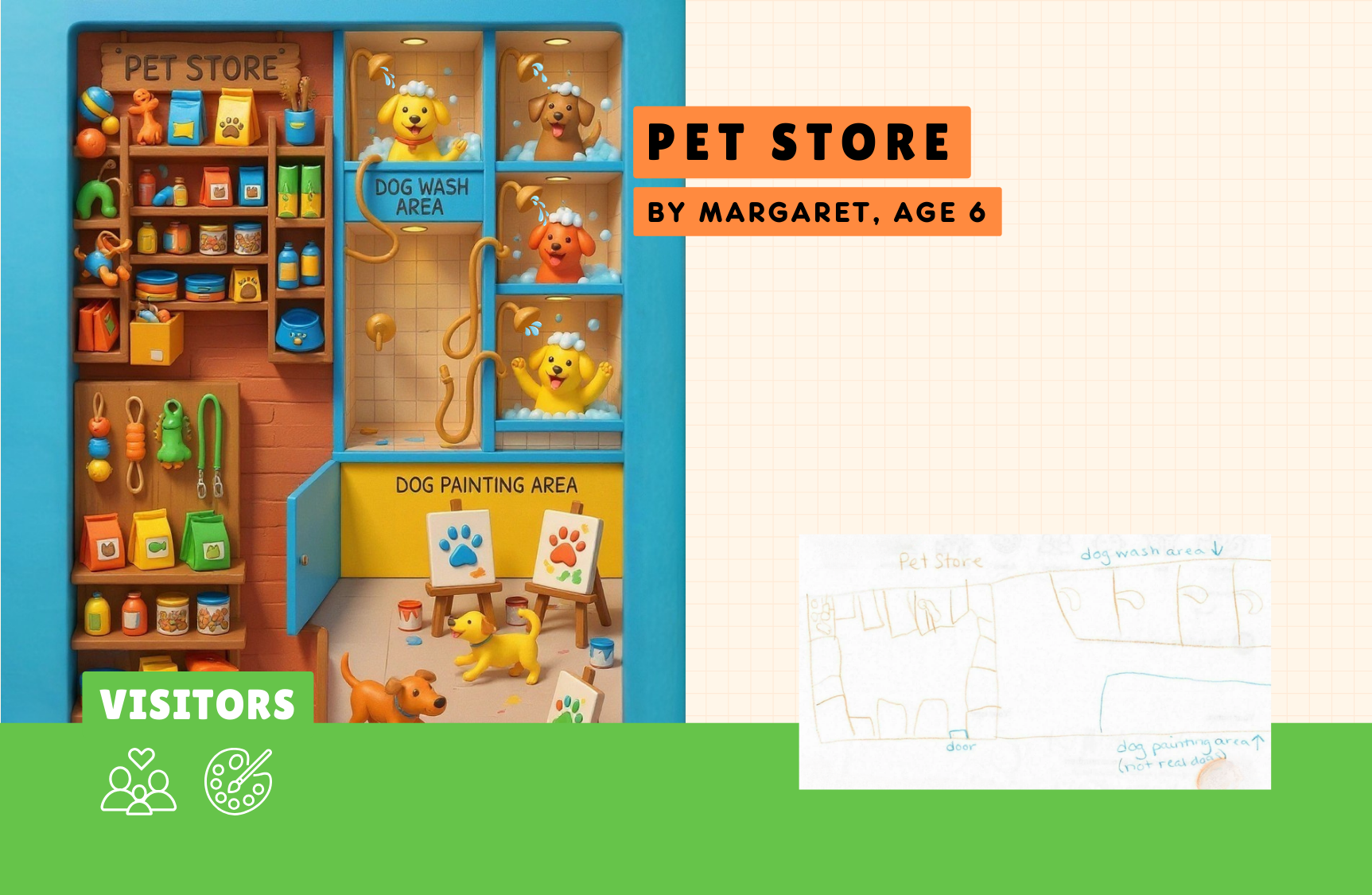
Pet Store goes deep on the tiny details of what a pet-centered place should feel like—full of supplies, spaces, and the sense that animals matter here.
Kids’ designs highlight their belief that communities aren’t only made for humans.
3) The “fun is functional” school of engineering
In GIANT Dream City, fun isn’t decoration. Fun is infrastructure.
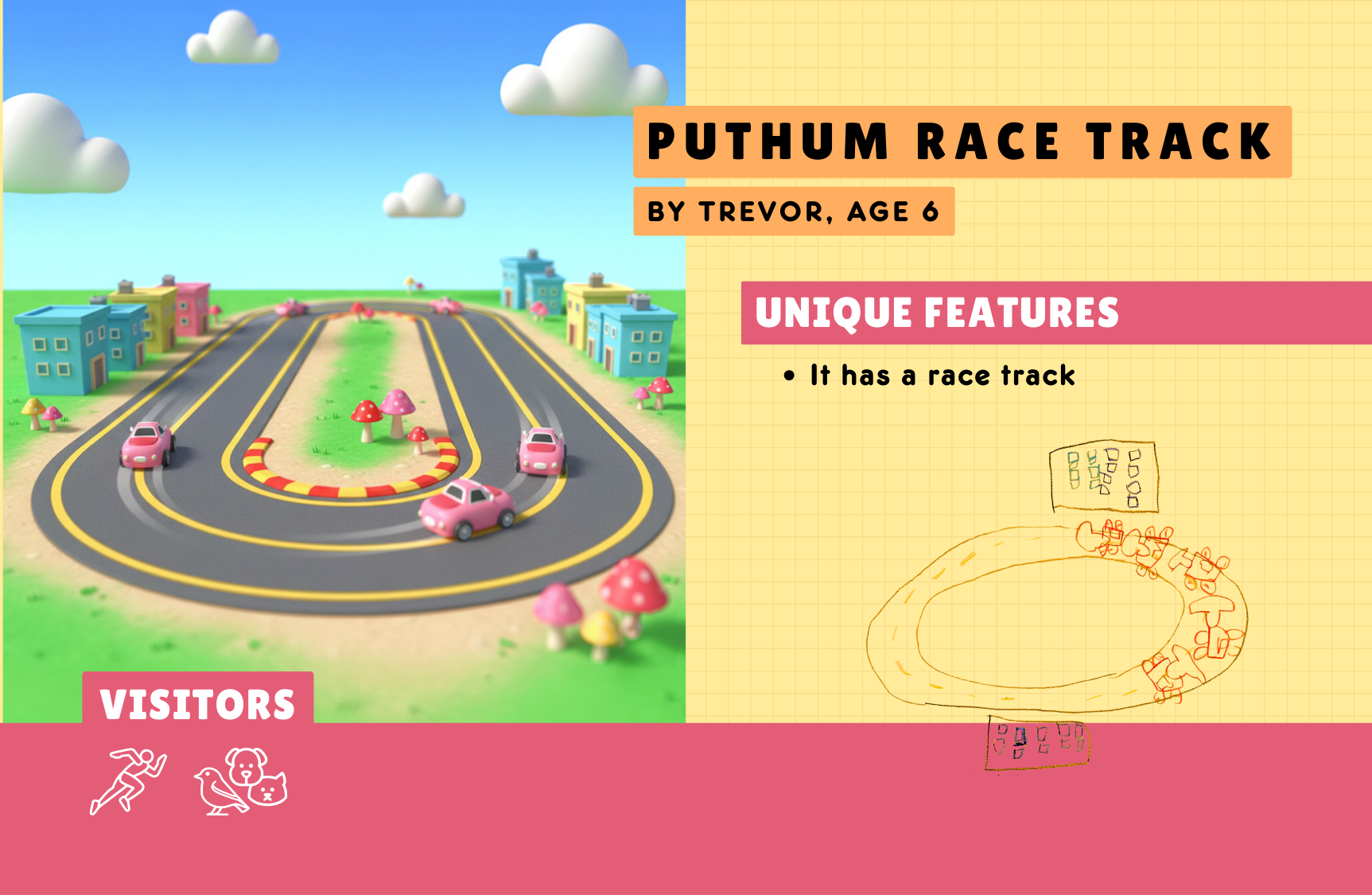
Putnum Race Track imagines a place where spectatorship is part of the experience - because public events are how communities gather.
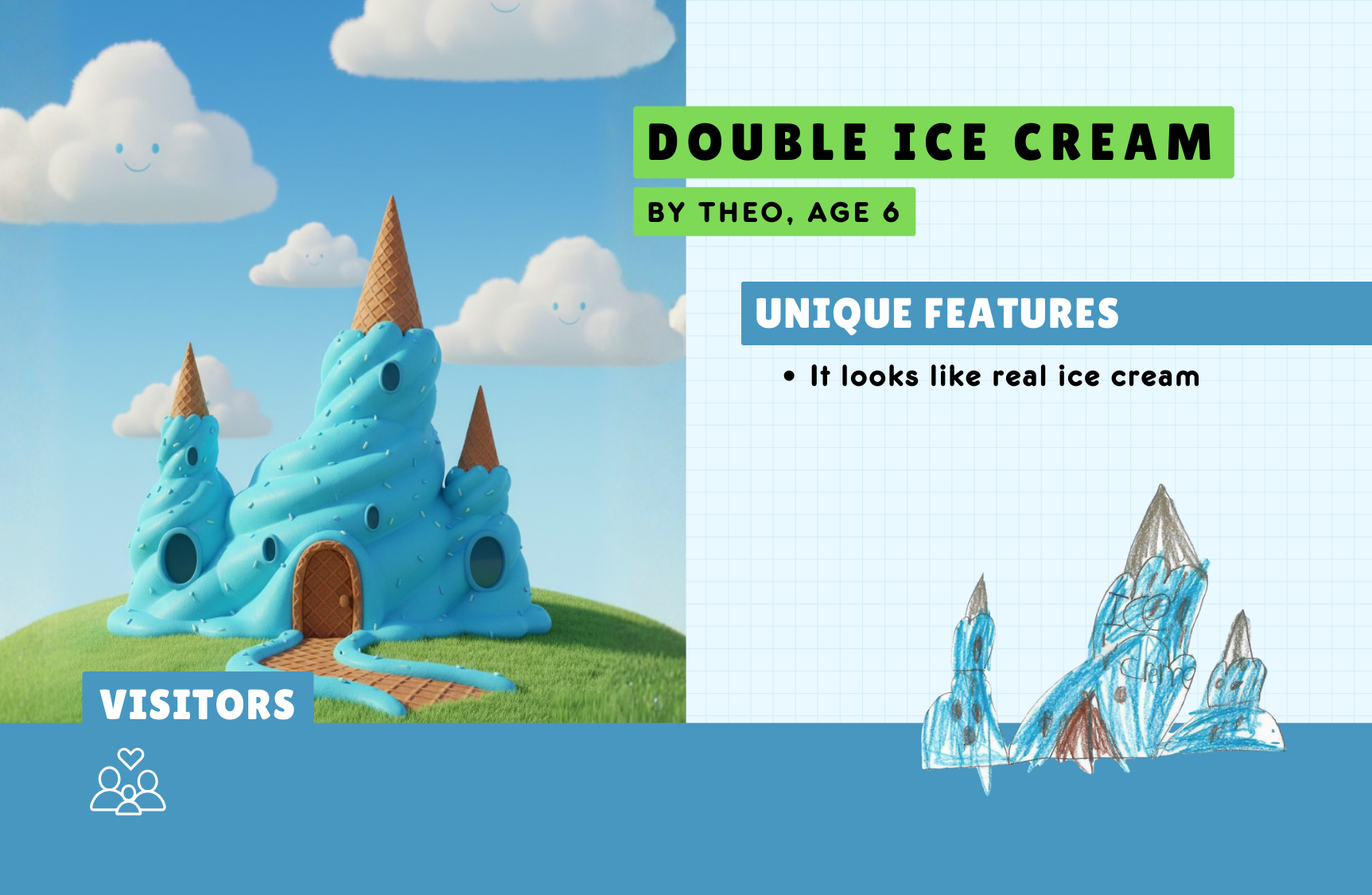
Double Ice Cream turns dessert into a destination - proof that a building can be both delicious and architectural.
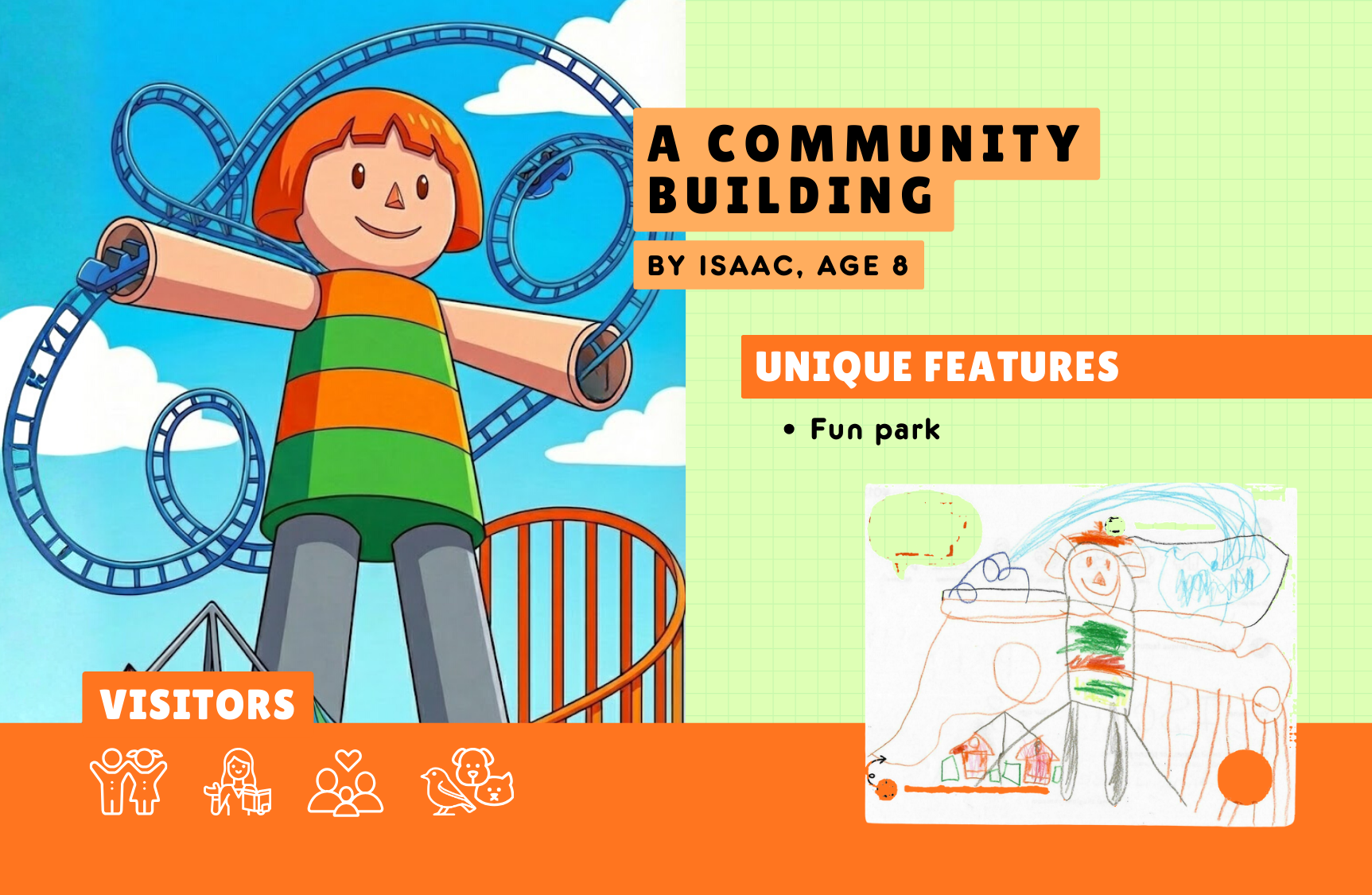
A Community Building features a fun park: “If we want people to show up, we should build places worth showing up for.”
A kid-designed city doesn’t separate “play” from “public good.” It treats play like a fundamental design requirement.
4) Big civic energy (with a GIANT twist)
This deck is part of a civics mission: designing the world you want to live in.
And kids imagined “important places” as responsive to the people who use them:
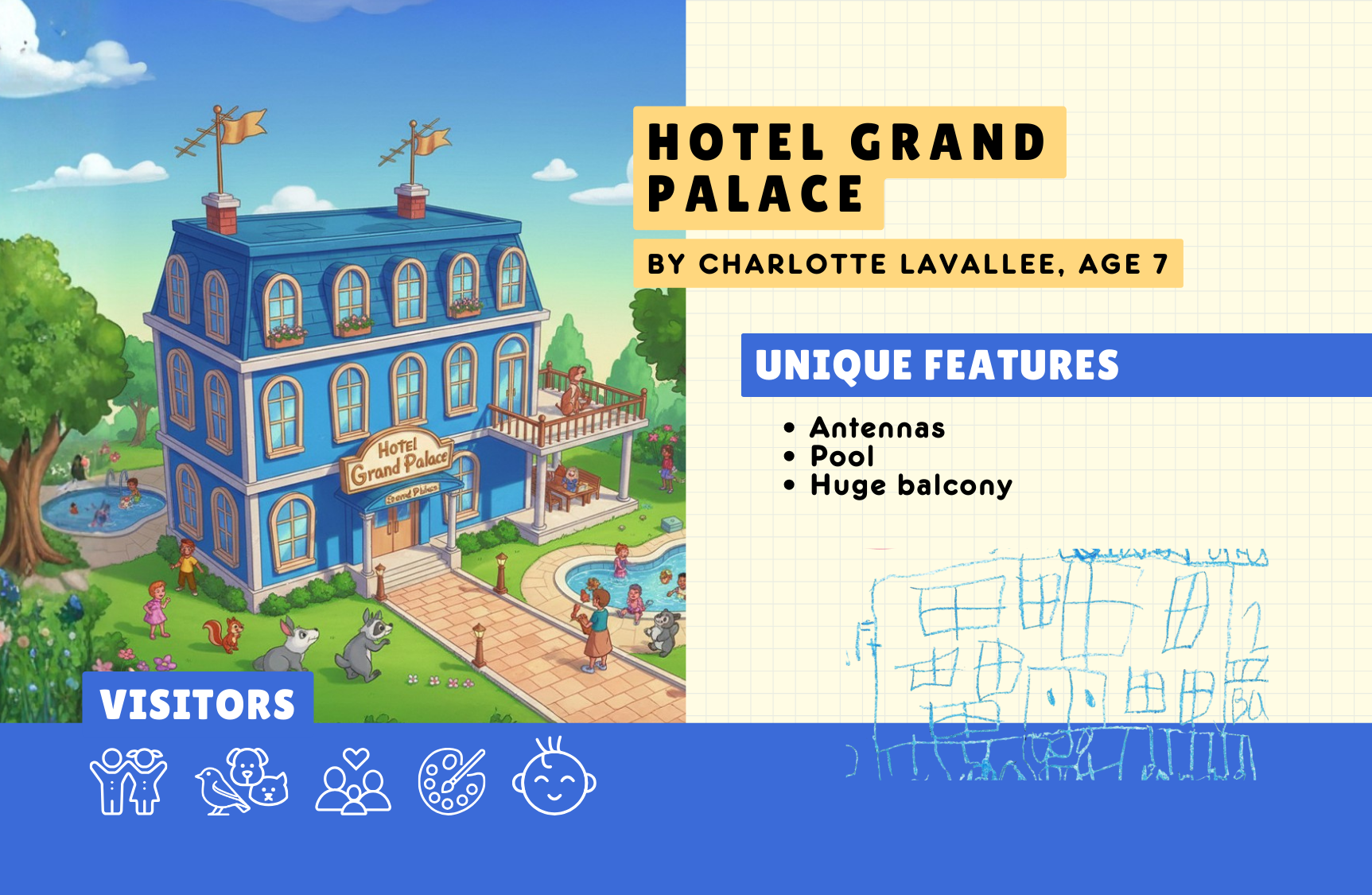
Hotel Grand Palace (Charlotte Lavallee, age 7) includes a pool and a huge balcony - a reminder that public life can include beauty and celebration.
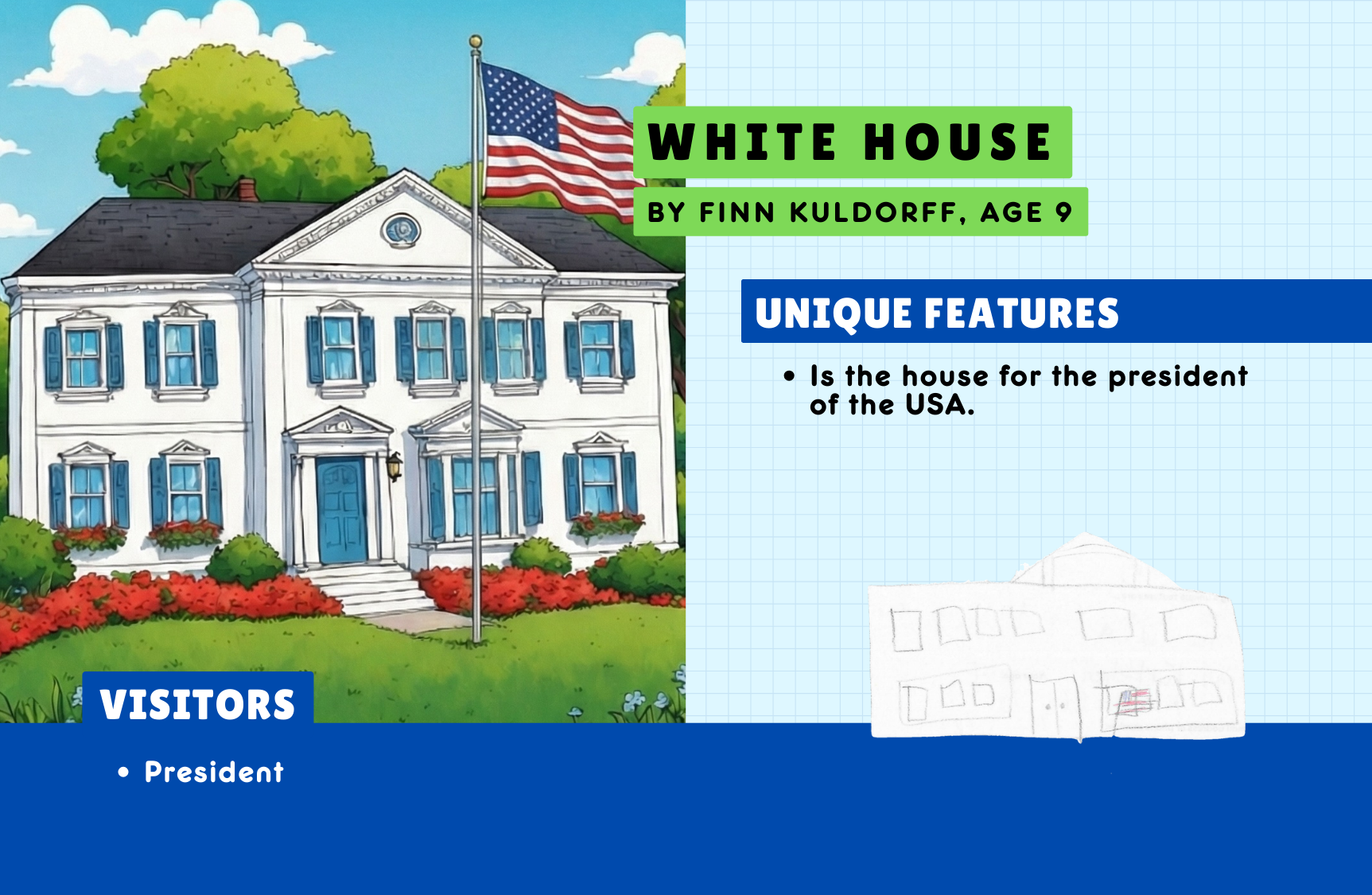
White House (Finn, age 9) imagines leadership through the lens of a kid: iconic, important, and still something you can redesign.
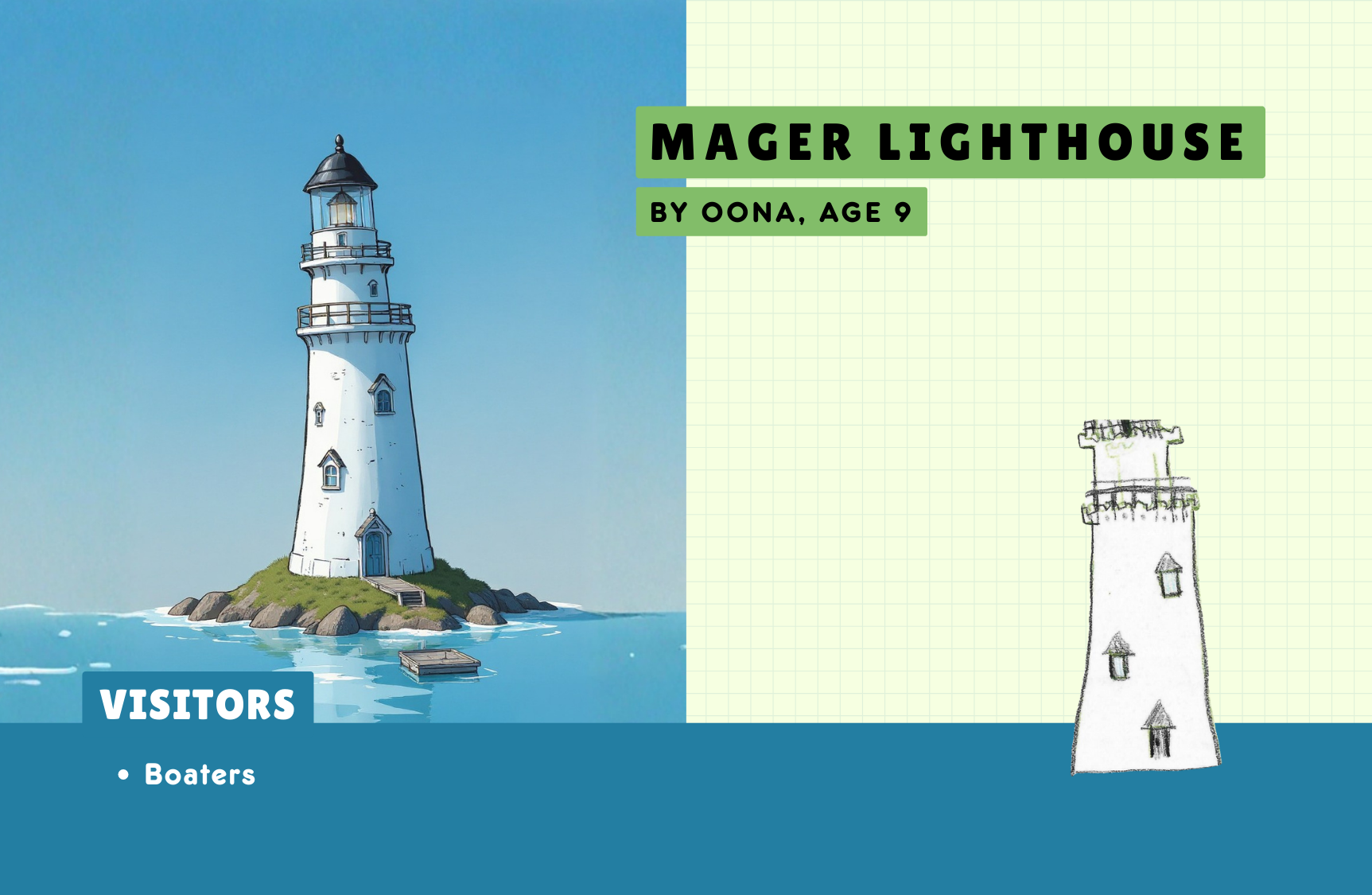
Mager Lighthouse (Oona, age 9) gives Dream City a beacon, because every community needs wayfinding, safety, and a little magic on the horizon.
What should our community include? Who should it serve? What would make it feel like ours? These are the civics questions we hope every responsible citizen asks and designs for.
Kids Ideas Deserve a Spotlight: From sketches to published cards
Here’s what makes this project extra GIANT:
Families shared their building ideas (with sketches, visitors, and special features), and then the GIANT team transformed those ideas into AI avatars and published them as trading cards plus a poster showing all the buildings together in one Dream City map. Their publications are now on display in their local public library.
That transformation matters. Because when kids see their ideas treated with respect and are celebrated—designed, printed, shared—they start to believe something foundational:
My ideas belong in the world.
Try this at home (or in your library)
Want to borrow the energy of Neighborhood Architects for your own kitchen table, classroom, or children’s room at the library?
Here’s the prompt:
Engineer the COOLEST Community Building.
Then ask:
● Who is it for?
● What do the community members do there?
● What are the unique features that make it unforgettable?
Draw it. Label it. Invent the features of the building. And most importantly: let the kid lead.
And if you’re a library team dreaming about a GIANT Remix Station of your own: we love partnering with public libraries to turn community imagination into something shareable and lasting.
Keep exploring Dream City
You can check out the Neighborhood Architects publication (the e-cards and the digital poster), download, make your own DIY deck, or grab professionally printed copies.
And, here is a list of fun games you can play with architect trading cards:
Guess the building?
Player one draws a card, memorizes the card and places it back in the deck.
Other players ask questions about the building, its shape, special features, and who it's designed for to guess the drawn card by player 1!
Play Would You Rather?
Draw two cards, think of a Would you rather question using information from the cards, and engage in fun conversations: Would you rather visit a hotel that looks like a tree by a pond for ice-skating, or a grand hotel with a pool and balcony?
Would you rather to have a Castle Kitten in our neighborhood or turn every building into House of Happy Birds?
Tell a story!
Draw a card (or multiple cards) from the deck and tell a story that unfolds in that building!
You can turn it into a group storytelling game, players taking turns, and adding to the story!
Bring GIANT Remix to Your Library
If you’re a library team dreaming about a GIANT Remix Station of your own: we love partnering with public libraries to turn community imagination into something shareable and lasting. Contact us to bring GIANT Remix into your classroom!
Read More About GIANT Remixes: