GIANT Students Are Co-Designing Their Own Afterschool Program
What happens when you invite children to design their own learning experience?
This semester, The GIANT Room is going back to its roots - where students are not just participating in our curriculum, they are helping design it!
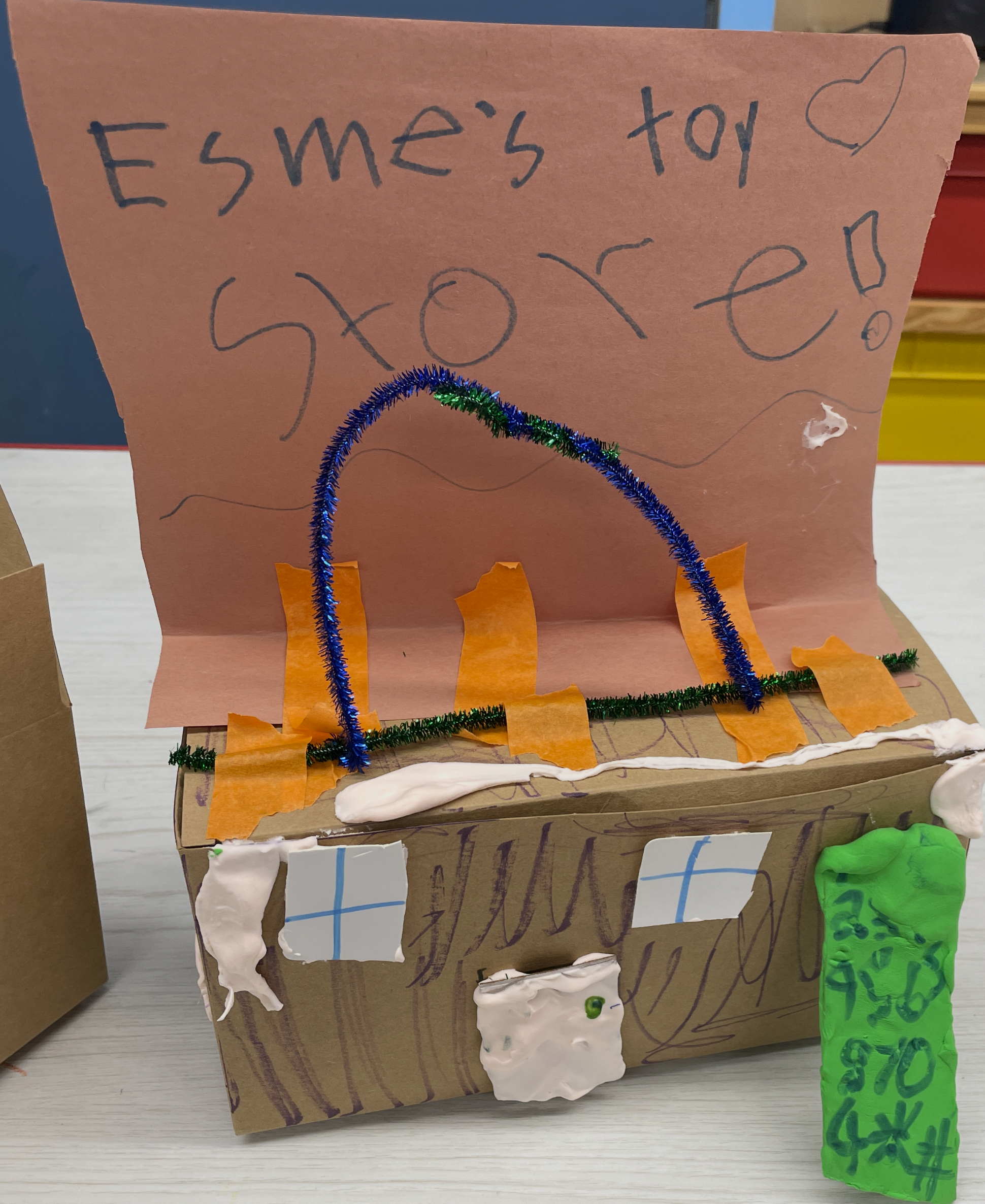
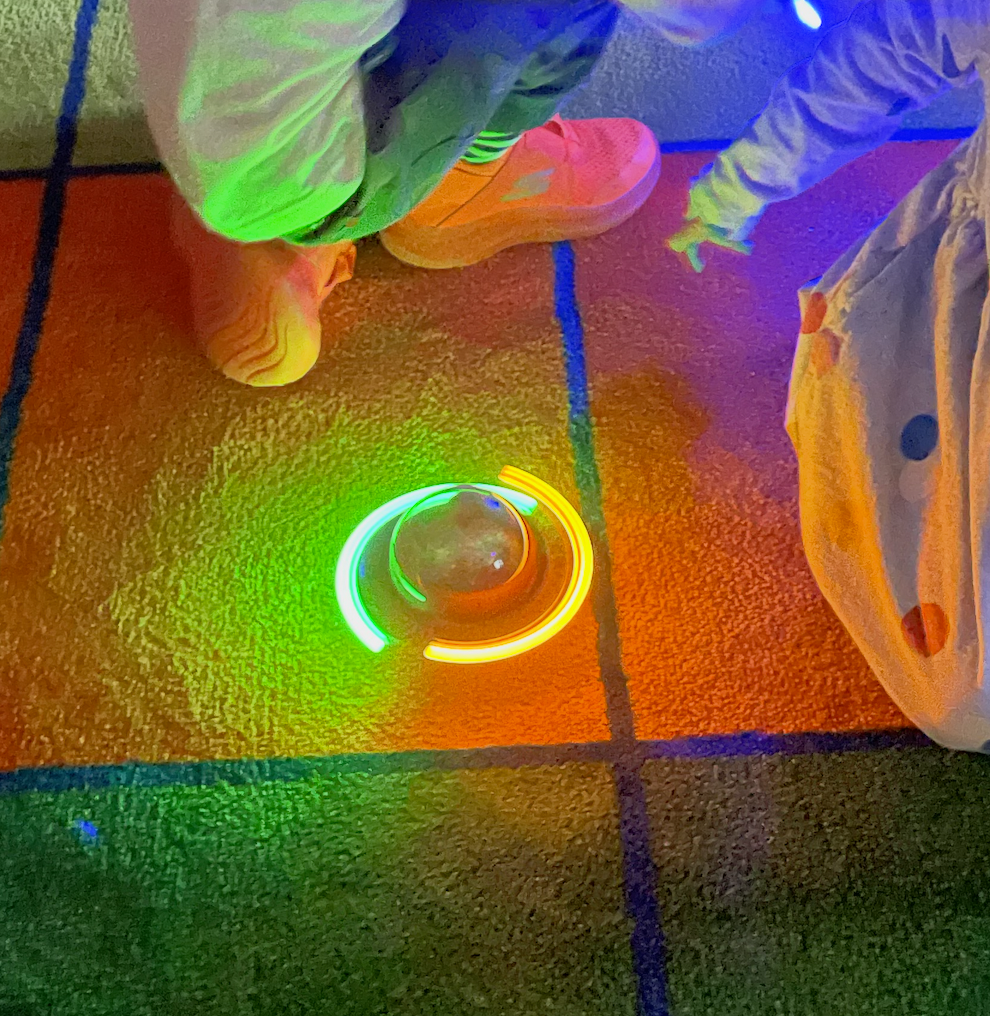
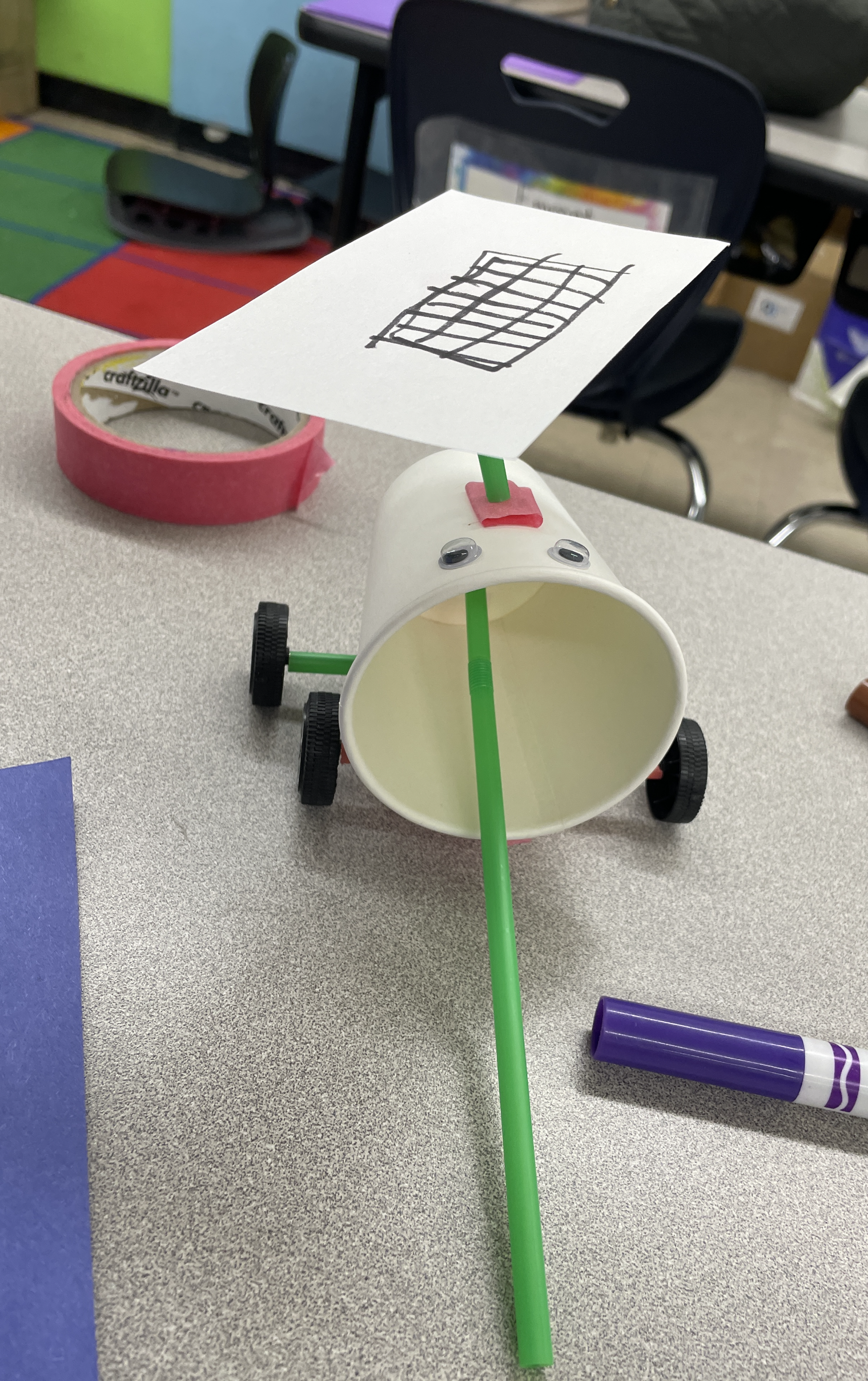
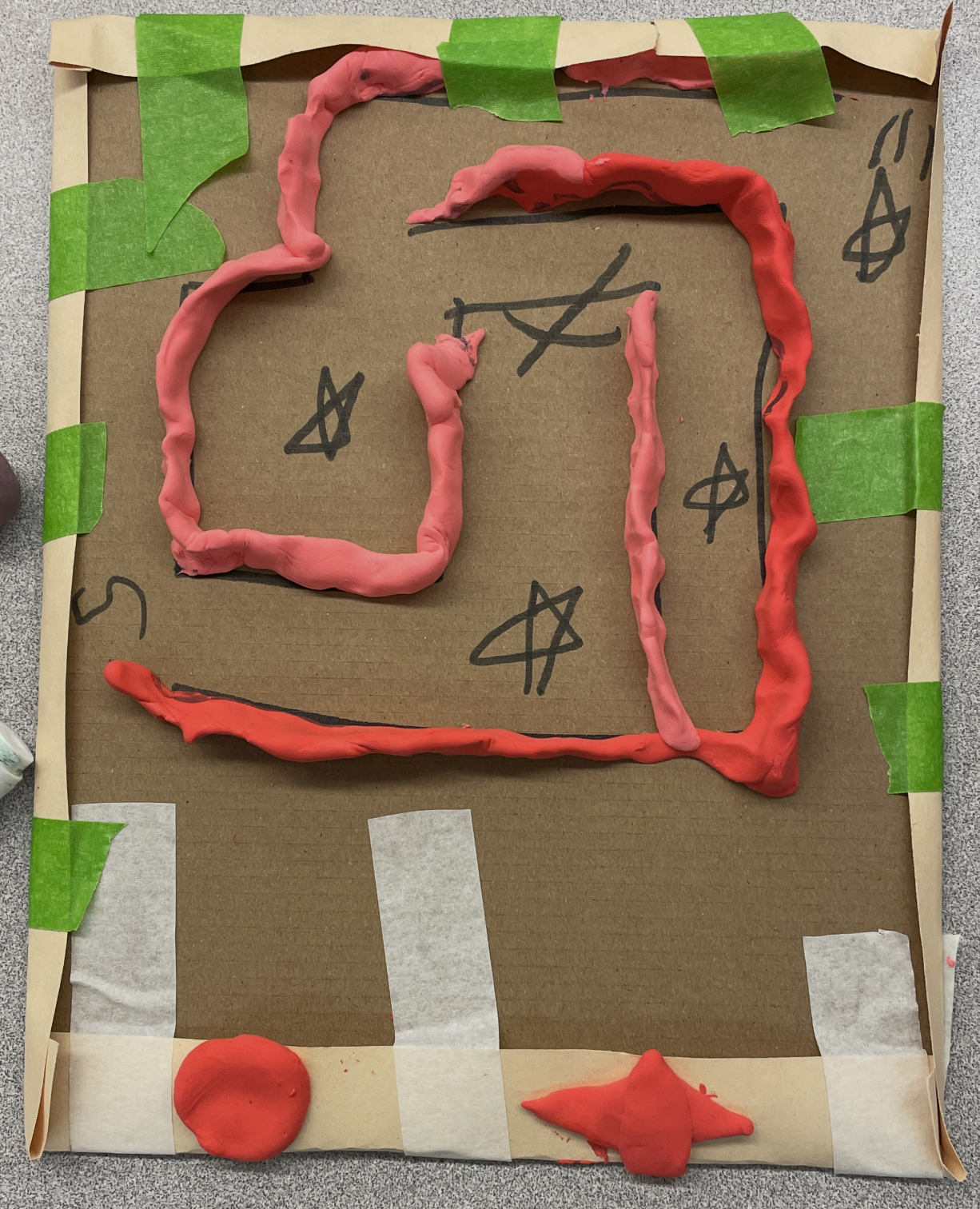
For over four years, The GIANT Room has partnered with a school on the Upper East Side to provide STEM-based afterschool programs multiple times per week. During that time, students have explored classes like Young Builders, Jr. Coding & Robotics, Minecraft Engineering, and Think Like An Inventor. With each semester, we refined projects, introduced new challenges, and continued building on what worked best.
At the same time, another part of The GIANT Room’s work has focused on helping companies co-design products for children - with children and families actively at the design table. We have seen again and again that when young people are invited into the creative process, the results are more impactful, more imaginative, and far more meaningful. Products improve when the people they are meant for are involved in shaping them.
So this semester, we asked ourselves if we are co-designing products with children, why aren’t we co-designing learning with them too?
Our students are currently enrolled in Think Like An Inventor, a program where they identify real-world problems and design solutions. In previous semesters, we introduced the challenges for them to solve. This time, we invited them to define the challenges THEY are interested in solving!
During our first session, we asked students what problems they notice in their everyday lives, what frustrates them, and what they would invent if they could invent anything at all. The answers were thoughtful, surprising, and wonderfully imaginative.
Some of the challenges were deeply personal: struggling to wake up in the morning, having to walk everywhere, wanting more time to play, noticing that walls are often broken or full of holes. Others reflected broader curiosity and ambition: getting to far-away places really fast, discovering dinosaurs, finding special rocks, or dealing with days that feel way too hot.
When we asked what solutions they would invent, their ideas ranged from playful to practical: a robot monkey, an interactive map of NYC, a portable ice castle to help you stay cool, a special car or train that takes you directly from your home into the inside of school, a machine that can turn anything into candy and candy back into its original object, a ribbon you can both wear and eat.
At first glance, these ideas might seem whimsical. But underneath them are themes that engineers, designers, and urban planners wrestle with every day. Students were thinking about transportation and efficiency, climate and comfort, materials and infrastructure, navigation, access, and convenience. They were identifying friction in their daily lives and imagining alternatives. They were doing what innovators do: observing, questioning, and redesigning the world around them.
By inviting students to shape the curriculum, we are shifting the dynamic of the classroom. Instead of simply delivering content, we are building it with them. Instead of asking, “Are you ready for today’s lesson?” We are asking, “What do you want to explore, fix, or reinvent?” That shift builds ownership, confidence, and agency.
When children see that their ideas directly influence what happens in their class, something important clicks. Their voice is not a side note; it is at the center of their learning experience. They begin to understand that learning is not something that happens to them. It is something they help create.
With their ideas in mind, The GIANT Room team is now tailoring this semester around the themes students surfaced, weaving their interests into structured design challenges and hands-on projects. The rigor remains. The engineering thinking remains. But now, they use their learnings and skills to invent solutions for problems THEY care about..
This is more than a curriculum adjustment. It is a philosophical commitment. If we want children to grow into problem-solvers, innovators, and thoughtful contributors to their communities, we must first show them that their ideas matter. We must give them a seat at the table - not someday, but now.
And this semester, that is exactly what we are doing.
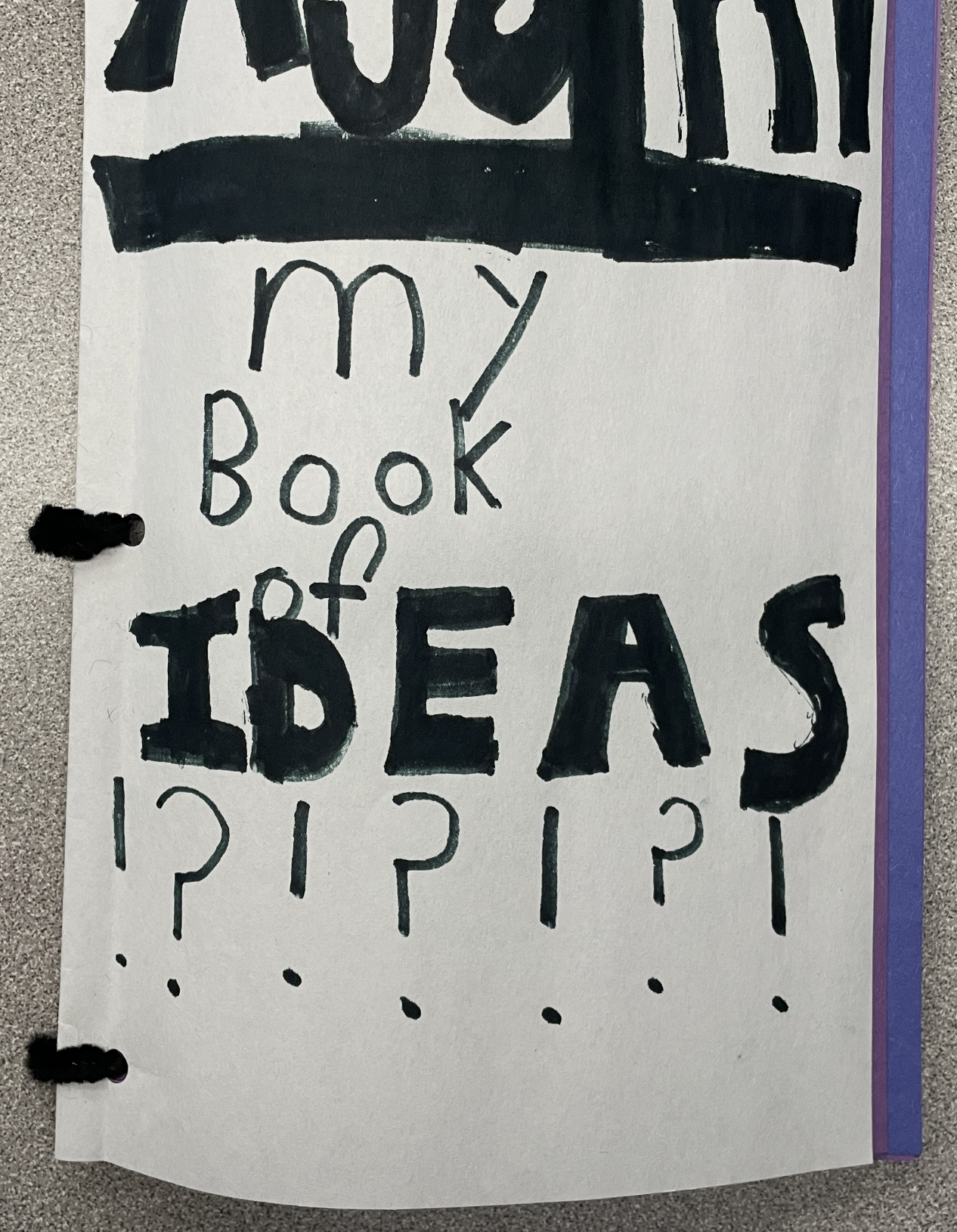
Students made their own DIY booklet to keep track of their ideas, draw blue prints and prototypes, and take notes.
Examples of projects from previous semesters: